Roles, feedback, video, and group learning design.
Develop the ability to identify and verbalize one's own and others' technical errors, training technical awareness as an active learning tool.
Develop collective timing, coordination in rotating pairs, and the ability to maintain technical quality when frequently changing partners.
Develop active learning and intellectual participation in the training process, creating a space for athletes to deepen their conceptual understanding behind techniques.
Develop deliberate individual practice outside of group sessions, creating a culture of autonomous training and tracking specific improvement goals.
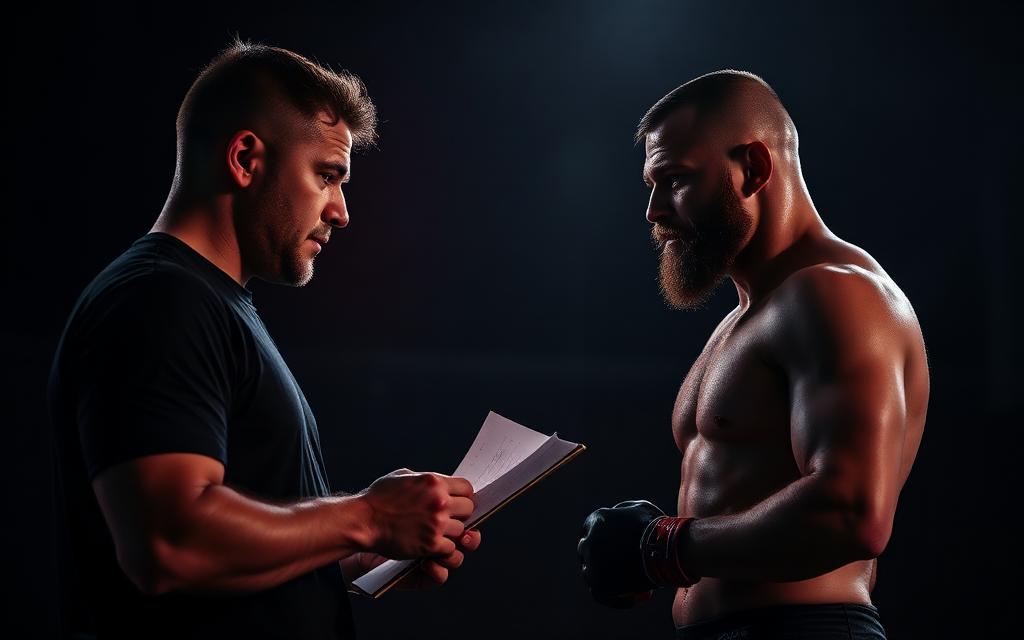
Develop the ability to analyze one's own and others' technique through video observation, training the technical eye and tactical understanding from a different angle than physical training.
Develop technical empathy and deep understanding of different combat positions through deliberate experience of inverted or unusual roles.
Develop the ability of more advanced athletes to teach technique to less advanced athletes, and of less advanced athletes to ask quality questions, building a culture of active collective learning.
Develop tactical understanding of combat as a sequence of chained decisions, training the ability to read a fight and anticipate its development through real-time narrative analysis.
Develop a culture of constructive feedback within the team, training the ability to give and receive specific technical feedback as a regular tool for collective improvement.
Integrate all technical and physical elements of a training mesocycle into a high-intensity final round that serves as a practical assessment of the period and as an experience of collective achievement.
Force tactical adaptation by obliging the advanced athlete to solve combat situations with deliberately limited tools, developing creativity, versatility, and technical depth under real pressure.
Develop technical competence in specific combat positions through repeated and focused exposure in those contexts, eliminating transition time to maximize the quality of positional work.
Develop technical awareness of the actual success rate of each tool in the athlete's arsenal, training decision-making based on personal observational data rather than subjective preferences.
Develop comprehensive defensive capability under sustained pressure, specifically training the dimension of combat that is most frequently subordinated to offensive work in conventional training.
Develop real-time tactical analysis capability by training simultaneous technical observation during execution, preparing the advanced athlete for both the role of an intelligent fighter and that of an eventual corner coach.
Develop the ability to sustain a specific tactical intention throughout a full round of sparring, training the gap between what the athlete plans to do and what they actually execute under pressure.
Build a personalized and updated technical inventory of each advanced athlete's actual arsenal, precisely identifying executable strengths, developing tools, and technical gaps that require specific work.
Develop psychological and technical resilience under deliberately elevated pressure conditions, training the ability to maintain decision-making quality when the cost of error is explicitly high.
Integrate all the technical, tactical, and psychological capabilities of the advanced athlete into a combat simulation that replicates the conditions of a real competition with maximum fidelity, reducing the surprise factor of the competitive environment.
Directly attack the advanced athlete's most significant technical weaknesses through a protocol of concentrated and deliberate exposure, transforming technical blind spots into areas of functional competence.